

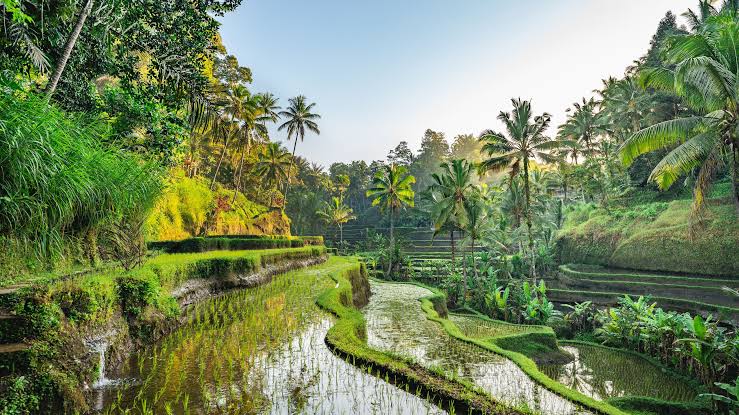
Bali is famous worldwide for its enchanting landscapes, tropical climate, and vibrant culture. However, rapid tourism growth has put significant pressure on the island’s natural resources, particularly its freshwater rivers and streams. Fortunately, the rise of eco-friendly dining practices is helping to protect these vital ecosystems while offering visitors a responsible way to enjoy local hospitality.
Eco-friendly dining starts with responsible waste management and water conservation. Sustainable restaurants prioritize proper waste disposal systems to ensure that no graywater, chemicals, or solid trash pollute adjacent waterways. By installing filtration systems and using biodegradable cleaning products, environmentally conscious establishments keep nearby rivers clean, clear, and safe for wildlife and local communities downstream.
Another crucial aspect of eco-friendly dining is eliminating single-use plastics. Plastic pollution is a major threat to Bali’s rivers and ocean life. Green restaurants replace plastic straws, food wrappers, and takeaway containers with natural alternatives like bamboo, banana leaves, or compostable materials. Minimizing plastic waste at the source prevents harmful debris from washing into natural riverbeds.
Furthermore, eco-conscious restaurants focus on sourcing ingredients locally and sustainably. By partnering with nearby organic farms in regions like Karangasem, restaurants reduce their carbon footprint associated with food transportation. Sustainable farming practices also minimize the use of harmful chemical pesticides and synthetic fertilizers, preventing toxic runoff from contaminating nearby soil and water channels.
As a diner, supporting eco-friendly restaurants directly contributes to these preservation efforts. Choosing to eat at establishments that value environmental stewardship encourages more businesses to adopt green practices. Together, conscious diners and responsible restaurant operators can protect Bali’s pristine river valleys for generations to come.